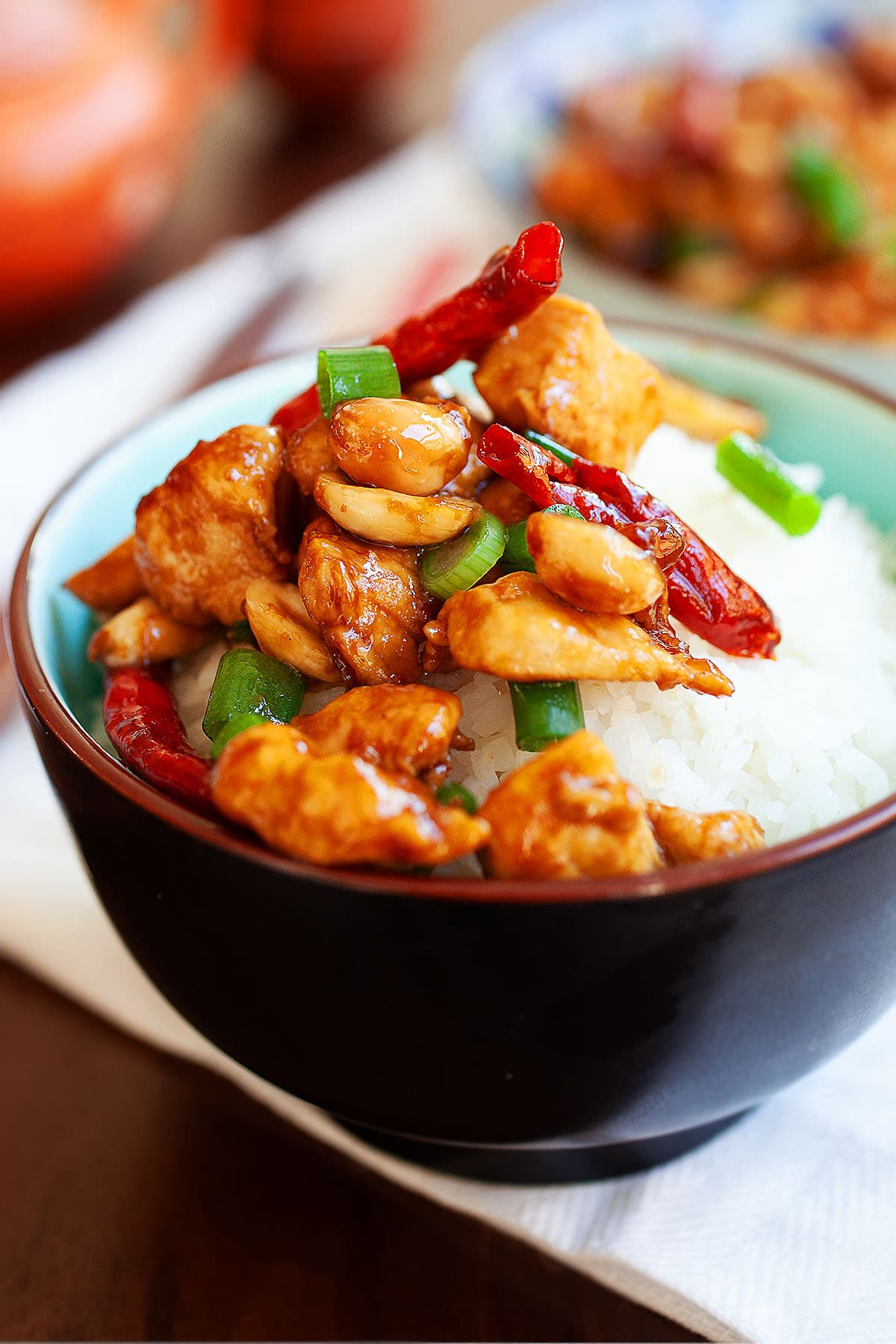
Unveiling the Magic of Kung Pao Chicken: Your Ultimate Takeout Reimagined
There’s a reason why
Kung Pao chicken consistently tops the charts as a Chinese takeout favorite. It’s an exhilarating symphony of flavors – a mouthwatering dance between sweet, sour, savory, and an undeniably addictive tingling heat that leaves you craving more. Far from being just another stir-fry, this iconic dish offers an explosion of taste that's both comforting and thrilling. And the best part? That highly addictive, restaurant-quality experience is remarkably easy to recreate right in your own kitchen, often in less time than it takes for delivery!
This article will guide you through mastering the art of homemade Kung Pao, transforming your kitchen into a haven of aromatic spices and tender chicken. Forget settling for mediocre takeout; get ready to impress yourself and your family with a dish that perfectly balances bold flavors and a signature "mala" kick.
What Makes Kung Pao Chicken So Irresistible?
The allure of
Kung Pao chicken lies in its complex yet harmonious flavor profile. It’s not just spicy; it’s a multi-dimensional experience. The secret to its widespread appeal can be broken down into a few key elements:
- The Signature Sweet, Sour, & Savory Sauce: This glossy, rich sauce is the backbone of the dish, providing a perfect balance that tantalizes the taste buds. It’s a testament to the sophistication of Chinese cuisine, where distinct flavors come together to create something truly magical.
- The Addictive Tingling Heat: What truly sets Kung Pao apart is the unique sensation delivered by Sichuan peppercorns. This isn't just "hot" in the way a chili is; it's a citrusy, floral, and subtly numbing "mala" effect that complements the spice rather than overpowering it. It’s a signature sensation that, once experienced, becomes unforgettable.
- Perfectly Cooked Chicken & Crunchy Peanuts: Tender, marinated pieces of chicken breast or thigh are quickly seared, locking in moisture and flavor. These are then tossed with crunchy roasted peanuts, adding a delightful textural contrast that completes the experience.
- A Culinary Journey: While the Kung Pao chicken we often encounter outside of China is a slightly Westernized version, its roots trace back to an authentic Sichuan dish. Traditionally, it's a drier stir-fry, with the intensely flavored sauce clinging just enough to the ingredients rather than swimming in it. This concentrated flavor means a little sauce goes a long way, especially when mixed with fluffy rice.
The Essential Ingredients for True Kung Pao Flavor
Crafting an exceptional
Kung Pao chicken starts with understanding its core components. While many ingredients are standard Asian pantry staples, a few are non-negotiable for achieving that authentic taste.
Sichuan Pepper: The Signature Tingle
This is the heart and soul of
Kung Pao chicken. Sichuan pepper isn't a chili, but rather a unique spice from the citrus family. It delivers a distinctive "numbing spiciness" (known as
mala in Chinese) that is lemony, slightly floral, and provides a delightful tingle on the tongue, utterly different from the straightforward heat of other chilies. It’s what makes
Kung Pao chicken truly Kung Pao.
While whole Sichuan peppercorns offer a more robust, fresh flavor and aroma, pre-ground Sichuan pepper is a convenient option that avoids the occasional gritty texture of home-ground peppercorns. If you opt for whole peppercorns, lightly toasting them in a dry pan before grinding will unlock their full aromatic potential. If you’re ever in a pinch, white pepper can offer a distant approximation, but for the true experience,
Unlocking Authentic Kung Pao: The Tingly Secret of Sichuan Pepper is a must-read to truly appreciate its unique contribution.
Dried Chilies: Heat and Aroma
Dried red chilies contribute both heat and a smoky, fruity depth to the sauce. It's crucial to remember that not all dried chilies are created equal; their spiciness can vary significantly. A good practice is to taste a small piece before adding them to gauge their potency. Most of the intense heat resides in the seeds, so for a milder version, you can remove them. Even if you're not a fan of intense spice, don't skip the dried chilies entirely! They infuse the oil and sauce with a foundational flavor that is essential for the dish's complexity. You can simply push them to the side of your plate and avoid eating them directly.
Chinese Black Vinegar: The Sour Foundation
Chinese black vinegar (Chinkiang vinegar is a popular variety) provides the essential sour component to the Kung Pao sauce. It has a rich, complex, and slightly smoky flavor that is deeper and less harsh than white vinegar. This unique sourness balances the sweetness and savory notes, creating a well-rounded and sophisticated taste.
The Chicken: Thighs for Tenderness
For the juiciest and most tender results, many chefs prefer boneless, skinless chicken thighs. Their higher fat content helps them remain succulent even after high-heat stir-frying. However, if you prefer chicken breast, a simple Chinese restaurant technique called "velveting" can transform it. This involves marinating the cut chicken pieces with a small amount of baking soda (bicarbonate of soda) and cornstarch, which tenderizes the meat significantly, making it incredibly silky and moist.
Crafting the Perfect Kung Pao Sauce
The sauce for
Kung Pao chicken is a masterpiece of balance: a harmonious blend of sweet, sour, savory, and that distinctive tingling heat. It’s what transforms simple ingredients into an extraordinary culinary experience. The sauce is typically thickened with cornstarch (or cornflour) to achieve that signature glossy, clingy texture. Because the flavor is so intense and concentrated, you'll notice that
Kung Pao chicken usually has less sauce than other popular Chinese stir-fries like Cashew Chicken or Beef and Broccoli. This allows the individual flavors of the chicken, peanuts, and aromatics to shine through, rather than being drowned.
Key components of the sauce include the aforementioned Sichuan pepper and Chinese black vinegar, alongside soy sauce (light and dark for color and depth), sugar, and often a touch of sesame oil and Chinese cooking wine (Shaoxing wine). Each element plays a crucial role in building the layers of flavor that define authentic Kung Pao.
Mastering the Stir-Fry Technique for Home Kitchens
Making
Kung Pao chicken at home is surprisingly quick, often taking less than 10 minutes once your ingredients are prepped. The key to success lies in proper preparation and mastering the high-heat stir-fry method.
Mise en Place is Your Best Friend
Before you even think about turning on the stove, ensure all your ingredients are prepped, measured, and within arm's reach. This "mise en place" (everything in its place) is critical for stir-frying, which moves very fast. Chop your chicken and vegetables, mix your sauce, and have your aromatics ready. This ensures a smooth cooking process and prevents anything from burning while you scramble for the next ingredient.
Achieving the Perfect Sear
A crucial step is quickly searing the marinated chicken in a very hot wok or large skillet. This creates a flavorful crust and locks in moisture. Don’t overcrowd the pan; cook the chicken in batches if necessary to maintain high heat and ensure proper browning, rather than steaming. After the chicken, you’ll quickly fry the dried chilies and Sichuan peppercorns to infuse the oil with their aromatic qualities, followed by ginger, garlic, and scallions.
Bringing It All Together
Once the aromatics are fragrant and the chicken is cooked through, the sauce is added. It will thicken almost immediately, coating everything in its glossy embrace. Finally, the roasted peanuts are tossed in at the last minute to retain their crunch. The entire cooking process, from searing chicken to tossing with peanuts, is incredibly fast. For a truly speedy and delicious meal that rivals any restaurant, make sure to check out
Skip Takeout: Make Addictive Kung Pao Chicken in Just 10 Minutes.
Conclusion
Homemade
Kung Pao chicken is more than just a meal; it's an adventure in flavor that promises an explosion of sweet, sour, savory, and that unique, unforgettable tingling heat. By understanding the roles of key ingredients like Sichuan pepper, dried chilies, and Chinese black vinegar, and employing smart stir-frying techniques, you can easily replicate this beloved takeout classic in your own kitchen. So next time that craving hits, skip the delivery app and embark on a culinary journey that delivers bold, authentic flavors right to your table. Your taste buds will thank you!