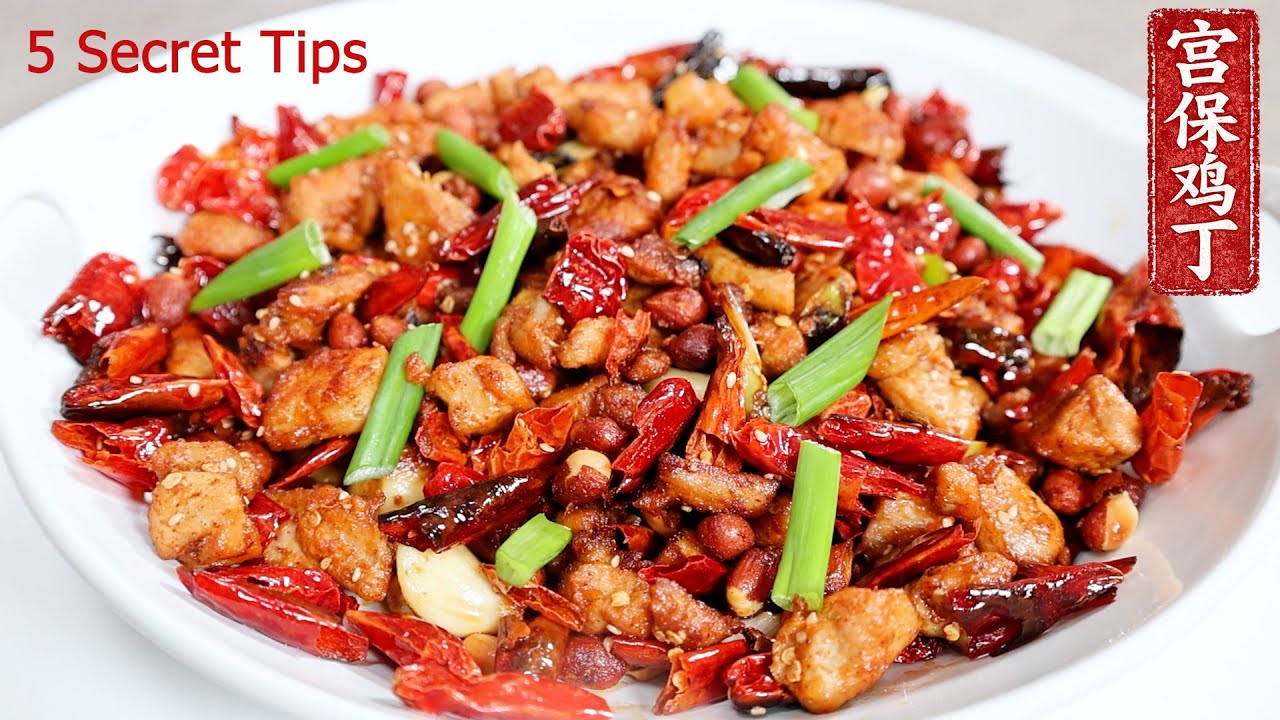
Tired of waiting for takeout, yet craving that intensely flavorful, irresistibly spicy, and uniquely tingly sensation of a perfectly executed Master Kung Pao Chicken: Sweet, Sour, Spicy Takeout at Home? What if we told you that the secret to addictive homemade kung pao chicken is not a culinary degree or hours of toil, but simply 10 minutes and a hot wok? It sounds almost too good to be true, but this beloved Chinese stir-fry, famous for its bold flavors and tantalizing kick, is surprisingly quick and easy to recreate in your own kitchen. Say goodbye to delivery fees and hello to a fresh, vibrant meal that will have your taste buds singing!
The Irresistible Allure of Kung Pao Chicken: More Than Just a Meal
Kung Pao chicken isn't just another dish; it's an experience. It’s a symphony of big, bold flavors that dance on your palate: the perfect balance of sweet, sour, and savory, culminating in the unmistakable, numbing heat from Sichuan pepper. For many outside of China, this dish is a Chinese takeout staple, an immediate go-to for its mouthwatering appeal and highly addictive qualities. That signature tingle, the vibrant sauce clinging to tender pieces of chicken, crunchy peanuts, and aromatic dried chilies – it’s a flavor profile that’s hard to beat.
While the version of kung pao chicken most of us know and love from local Chinese restaurants or even fast-food chains like Panda Express is a slightly Westernized adaptation, its roots lie deep in authentic Sichuan cuisine. Traditionally, in its birthplace, Kung Pao is often presented as a "dry" stir-fry, meaning it's not swimming in a generous pool of sauce like many other Asian stir-fries. However, the sauce, even in smaller quantities, is incredibly intense and packed with flavor, ensuring that a little goes a very long way, especially when mixed with steamed rice. Whether you prefer the saucier takeout style or the more traditional dry preparation, the essence of kung pao chicken remains its distinctive flavor profile and the unique sensory experience it offers.
Mastering the 10-Minute Kung Pao Kitchen: Speed Meets Flavor
The promise of 10-minute kung pao chicken might seem daunting, but it's entirely achievable with a bit of savvy preparation and a hot wok. The key to speed lies in the stir-fry technique itself: high heat, quick cooking, and all ingredients prepped and ready to go before you even turn on the stove. Think of it as a culinary race where you’ve already laid out all your equipment at the starting line.
Prepping for Success: The Secret to Speed
- Chicken Prep: Cut your chicken (preferably boneless, skinless thighs for juiciness) into uniform, bite-sized pieces. If using chicken breast, consider a quick velvetizing technique with baking soda. This Chinese restaurant secret tenderizes the meat incredibly effectively, ensuring a succulent bite even from leaner cuts.
- Sauce Assembly: Mix all your sauce ingredients in a bowl beforehand. This is crucial. Once the stir-fry begins, there’s no time to measure individual components.
- Aromatics & Veggies: Chop your garlic, ginger, and any desired vegetables (bell peppers, onions, or zucchini are common additions, though traditional versions focus on chicken and peanuts).
- Peanuts & Chilies: Have your roasted peanuts and dried chilies ready. These add both texture and that essential smoky heat.
Once everything is prepped, the actual cooking process is a rapid-fire sequence of searing the chicken, adding aromatics, incorporating the chilies and peanuts, and finally, tossing in that glorious sauce. The high heat of a wok (or a large, heavy-bottomed skillet) ensures quick cooking and a beautiful caramelization, locking in all those fantastic flavors in mere minutes.
The Soul of Kung Pao: Unpacking the Signature Sauce and its Stars
The true magic of kung pao chicken lies in its sauce – a complex, glossy concoction that is sweet, sour, savory, and punctuated by a unique tingly heat. This is where the dish truly sets itself apart from other stir-fries. While the exact ratios might vary, the foundational ingredients are non-negotiable for achieving that authentic Kung Pao character.
Sichuan Pepper: The Tingly Secret Weapon
Perhaps the most distinctive ingredient in kung pao chicken is the Sichuan pepper. This isn't just another chili; it provides a unique "ma la" sensation – a combination of numbing and tingling spiciness that is unlike the straightforward heat of other peppers. It's often described as having a slightly lemony, almost floral note that enhances the overall flavor profile. Without Sichuan pepper, it's just a spicy stir-fry, not Kung Pao.
You can use whole Sichuan peppercorns, toasted and ground, for the most intense flavor, though pre-ground Sichuan pepper offers convenience and a finer texture. If you're exploring the nuances of this incredible spice, dive deeper into Unlocking Authentic Kung Pao: The Tingly Secret of Sichuan Pepper.
Dried Chilies: Heat and Aroma
Dried red chilies are another cornerstone of kung pao chicken. Their purpose extends beyond just adding heat; they infuse the oil and the entire dish with a beautiful, smoky aroma. Not all dried chilies are created equal; their spiciness can vary significantly. A good practice is to taste a small piece to gauge its intensity. Most of the intense heat resides in the seeds, which you can remove if you prefer a milder dish. Even if you're not a fan of extreme spice, don't skip the dried chilies entirely, as they are essential for the flavor profile. Simply use them to flavor the oil and remove them before serving, or choose a milder variety.
Chinese Black Vinegar: The Tangy Counterpoint
A specific type of vinegar, Chinese black vinegar (Chinkiang vinegar), is vital for achieving the characteristic sour notes in kung pao chicken. It has a complex, slightly malty, and tangy flavor that is deeper and less sharp than regular white vinegar or rice vinegar. This depth contributes significantly to the overall richness of the sauce, balancing the sweetness and the savory elements beautifully. A good quality Chinese cooking wine (Shaoxing wine) is also often used, adding another layer of aromatic complexity.
Cornstarch: For Gloss and Body
A small amount of cornstarch or cornflour is used to thicken the sauce, giving it that characteristic glossy sheen that coats the chicken and other ingredients beautifully. This ensures the intense flavor adheres to every bite without making the dish overly watery.
Beyond the Basics: Ingredient Choices and Smart Substitutions
While specific ingredients contribute to the authenticity of kung pao chicken, there's always room for smart choices and substitutions to fit your pantry and preferences.
- Chicken Thigh vs. Breast: As mentioned, chicken thigh is often preferred for its inherent juiciness and tenderness, making it more forgiving to cook at high heat. If using chicken breast, definitely employ the "velvet chicken" technique (a quick marinade with baking soda, cornstarch, and sometimes a bit of oil and soy sauce) to prevent it from drying out.
- Chinese Cooking Wine Alternatives: If Chinese cooking wine (Shaoxing wine) isn't readily available, dry sherry or even chicken broth with a dash of sugar can serve as a decent substitute in a pinch, though the authentic flavor will be slightly altered.
- Peanuts: Roasted, unsalted peanuts are traditional. They add a fantastic crunch and nutty flavor. Cashews can be a delicious alternative if preferred.
- Vegetables: While the core authentic kung pao chicken focuses on chicken, peanuts, and chilies, many Westernized versions incorporate bell peppers, zucchini, or water chestnuts for added texture and nutrition. Feel free to customize based on your liking.
Conclusion: Your 10-Minute Takeout Transformation Awaits
Making addictive kung pao chicken at home is not only faster and often healthier than ordering takeout, but it's also incredibly rewarding. By understanding the core ingredients, especially the magical Sichuan pepper, and embracing the speed of stir-frying, you can create an explosion of flavors in just 10 minutes. So, next time that craving hits, don't reach for the phone – reach for your wok. Your taste buds will thank you for this homemade, intensely satisfying culinary adventure!
