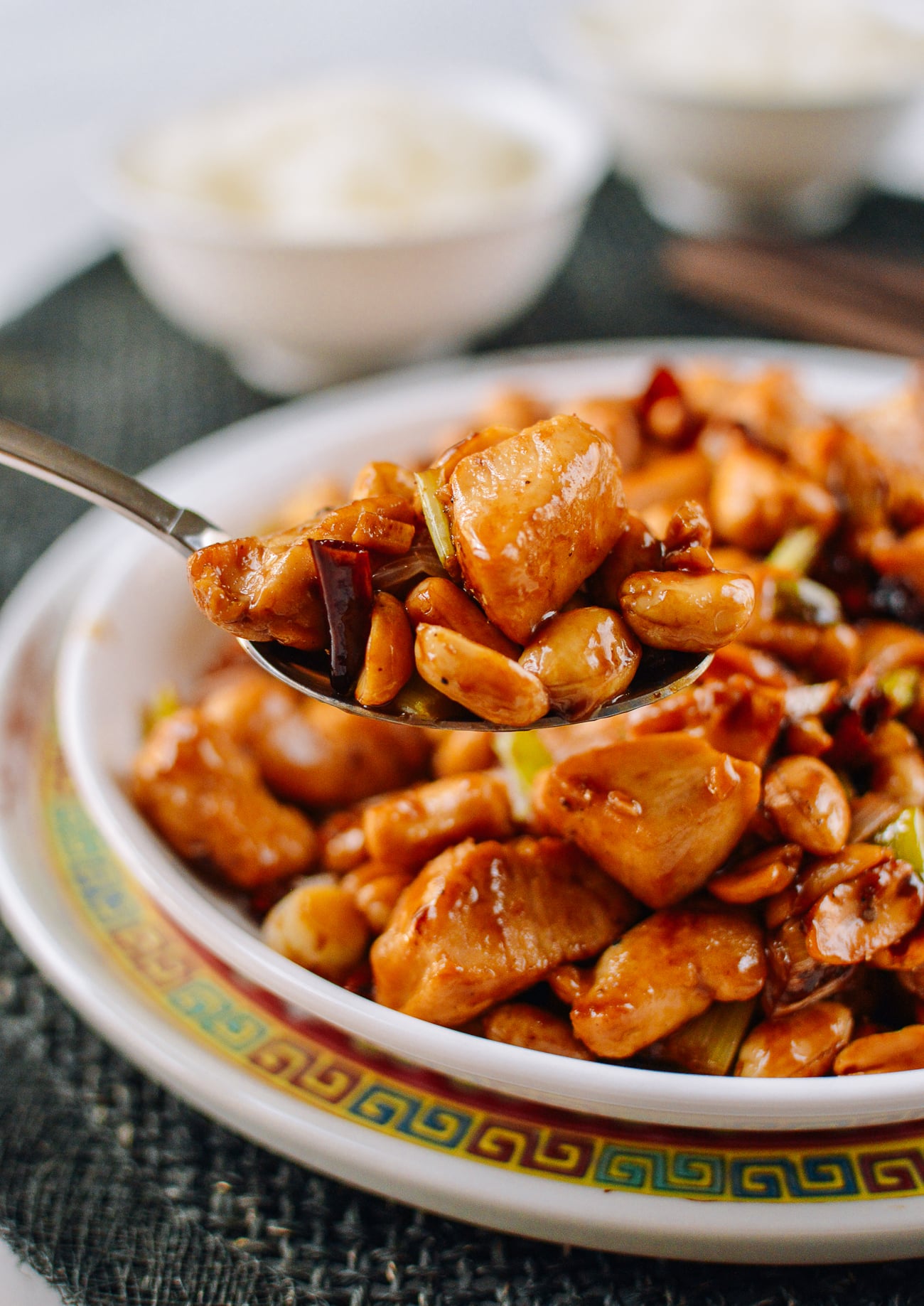
For many, the mention of kung pao chicken conjures images of a beloved Chinese takeout staple: tender chicken pieces, often with peanuts, in a glossy, savory sauce. It’s a dish synonymous with bold flavors, and for good reason. But what if we told you there's a hidden dimension to this culinary classic, a secret ingredient that elevates it from merely delicious to truly unforgettable? We're talking about the distinctive, electrifying sensation of Sichuan pepper, the very heart of authentic kung pao chicken.
While the Westernized versions of this dish are undeniably popular, often leaning into a sweeter, less complex profile, the original Sichuan rendition offers an explosion of tastes that dance on the palate: sweet, sour, salty, savory, and most importantly, the unique "ma la" (numbing-spicy) tingle that only Sichuan pepper can deliver. It’s this addictive quality that makes homemade kung pao chicken a revelation, allowing you to skip the takeout queues and dive into a world of rich, nuanced flavors right from your kitchen.
The Tingly Secret: Unmasking Sichuan Pepper
At the core of an authentic kung pao chicken experience lies Sichuan pepper. This isn't your everyday chili heat. Unlike the straightforward burn of capsaicin found in most chilies, Sichuan pepper (hua jiao in Mandarin) delivers a unique sensation often described as citrusy and floral, followed by a peculiar numbing and tingling feeling in the mouth. Imagine a gentle electrical buzz combined with a refreshing lemon zest – that's the magic of ma la. This distinct sensation primes your palate, making it more receptive to the other flavors in the dish, creating a truly multi-sensory culinary adventure.
Historically, Sichuan pepper has been an integral part of Sichuan cuisine for centuries, not just for its flavor but also its ability to cut through richness and stimulate the appetite. In kung pao chicken, it's what differentiates it from any other sweet and sour stir-fry. Without it, the dish simply lacks its signature character. If you've only ever had Kung Pao that’s just sweet and spicy, prepare for a delightful awakening!
When incorporating Sichuan pepper, you have a couple of options. Many traditionalists prefer to use whole peppercorns, lightly toasted and then crushed. This approach can yield a more vibrant, aromatic burst, though it might result in tiny, gritty bits if not finely ground. For convenience and a smoother texture, pre-ground Sichuan pepper is an excellent alternative, offering a consistent tingle without the extra effort. While there are substitutes like white pepper that can provide a hint of warmth, they simply cannot replicate the authentic numbing sensation that defines genuine kung pao chicken. Embrace the tingle; it’s what makes this dish so utterly captivating.
Beyond the Buzz: The Symphony of Kung Pao Flavors
While Sichuan pepper provides the electrifying backbone, kung pao chicken is a masterful orchestration of sweet, sour, and savory elements, all working in harmony to create a dish that is both complex and incredibly satisfying. The sauce, often thick and glossy thanks to a touch of cornstarch, is intensely flavored, meaning you don't need copious amounts for it to make a statement. A little goes a long way when coating your rice, ensuring every bite is packed with punch.
Essential Sauce Components:
- Dried Chillies: These aren't just for heat; they lend a crucial smoky, fruity depth to the dish. Always taste your dried chilies first, as their spiciness can vary wildly. For less heat, you can remove the seeds. Even if you're sensitive to spice, don't skip them entirely; their flavor contribution is indispensable. Simply cook them in the oil to infuse the sauce, then set them aside or avoid eating them directly.
- Chinese Black Vinegar: This provides the distinctive sour notes, balancing the sweetness and adding a layer of umami complexity that white vinegar simply cannot match. It’s a key player in achieving the authentic flavor profile of kung pao chicken.
- Sweeteners: Often sugar or honey, to round out the sharp and savory notes.
- Savoury Elements: Soy sauce (light and dark for color and depth), Shaoxing wine (or a suitable substitute), and sometimes a touch of oyster sauce or hoisin for extra richness.
The chicken itself is equally important. Many recipes call for chicken thigh, which remains juicy and tender even under high heat. If you opt for chicken breast, a crucial Chinese restaurant technique known as "velvetting" can transform it into incredibly silken pieces. This involves marinating the chicken with a touch of baking soda (bi-carb), which tenderizes the meat significantly, making your homemade kung pao chicken indistinguishable from the best takeout.
And let's not forget the peanuts! These add a delightful crunch and nutty counterpoint to the soft chicken and vibrant sauce, providing textural contrast that makes each spoonful more engaging.
Crafting Your Own Authentic Kung Pao at Home
The beauty of kung pao chicken lies not just in its extraordinary flavors, but also in its surprising simplicity. It’s a dish that comes together remarkably quickly, often in under 30 minutes, making it a perfect weeknight meal. Here’s how you can bring this Chinese takeout favorite into your own kitchen:
- Master the Prep: Like any stir-fry, successful kung pao chicken hinges on having all your ingredients prepped and ready to go. Chop your chicken, measure your sauce components, and have your peanuts and chilies standing by. This ensures a smooth, rapid cooking process.
- Source Your Spices: While mainstream ingredients are easy to find, sourcing quality Sichuan pepper and Chinese black vinegar is key for authenticity. Look for them in Asian grocery stores or online. Good quality ingredients make a tangible difference in the final taste.
- Don't Fear the Wok (or Skillet): A super-hot wok is ideal for stir-frying, creating that characteristic "wok hei" (breath of the wok) flavor. However, a large, heavy-bottomed skillet can also achieve excellent results. The key is to cook in batches if necessary, to prevent overcrowding and steaming the chicken instead of searing it.
- Adjust to Your Palate: One of the greatest advantages of cooking at home is customization. Love extra tingle? Add more Sichuan pepper. Prefer it sweeter or spicier? Adjust the sugar and chilies to your heart's content. Start with recommended amounts and tweak from there.
Making kung pao chicken at home isn't just about saving money; it's about control over ingredients, freshness, and the pure joy of recreating a beloved dish with true authenticity. The satisfaction of achieving that perfect sweet, sour, savory, and tingling balance is immense. For a deeper dive into perfecting this dish, consider exploring Master Kung Pao Chicken: Sweet, Sour, Spicy Takeout at Home, where you can learn advanced tips and tricks. And if time is of the essence, you'll be thrilled to discover just how fast it can be; often you can Skip Takeout: Make Addictive Kung Pao Chicken in Just 10 Minutes!
Conclusion
Kung pao chicken is more than just a meal; it’s a vibrant journey through the bold, intricate flavors of Sichuan cuisine. Its addictive qualities stem not just from its perfect balance of sweet, sour, and savory, but fundamentally from the electrifying, numbing sensation of Sichuan pepper. By understanding and embracing this "tingly secret," you unlock a level of authenticity and flavor that truly transforms the dish from a simple takeout order into an exhilarating culinary experience. So, next time that craving hits, empower yourself to create this masterpiece at home. Your taste buds will thank you for the adventure!
